
Lower Inflammation Load
Helps reduce circulating factors that can contribute to chronic low-grade inflammation.

Therapeutic Plasma Exchange(TPE) is designed to reduce unwanted circulating factors in the plasma – supporting detox, immune balance, and overall resilience.
Tiny plastic particles that can enter the body through food, water, and air—and circulate through the bloodstream.
Environmental toxins produced by mold that may contribute to inflammation, fatigue, and brain fog in sensitive individuals.
Environmental toxins produced by mold that may contribute to inflammation, fatigue, and brain fog in sensitive individuals.
Therapeutic Plasma Exchange (TPE) is one of the most advanced treatments for promoting longevity and overall health. This procedure removes plasma—the liquid portion of the blood—to eliminate inflammatory proteins, toxins, and cellular waste. The plasma is then replaced with albumin, replenishing essential nutrients and creating a healthier internal environment. TPE enhances immune resilience, supports cellular function, and optimizes the body’s ability to repair itself.
Plasmapheresis, also known as therapeutic plasma exchange (TPE), is a medical procedure in which blood is taken from the body, the plasma (the liquid part of the blood) is separated and removed, and the remaining components (like red and white blood cells) are returned to the body, often with replacement fluids such as saline or albumin.
Recently, there’s been increasing interest in plasmapheresis for anti-aging and general health optimization, beyond its traditional uses for autoimmune or neurological disorders. Here’s how it might relate to staying young and healthy:
Aging is associated with chronic low-grade inflammation, often called “inflammaging.” Studies suggest that:
With age, harmful proteins accumulate in the blood. Plasmapheresis:
This is similar in principle to heterochronic plasma exchange—where old mice given young blood show signs of rejuvenation. The reverse (removing old plasma) also seems beneficial.
Some early studies and anecdotal reports suggest plasmapheresis might:
This has led to trials like AMBAR (Alzheimer’s Management by Albumin Replacement), which showed modest cognitive benefits in early Alzheimer’s patients.
Plasmapheresis may help:
It may modulate the immune system by:
Plasmapheresis is not a magic bullet for aging. Key limitations include:
| Potential Benefits | Mechanism |
|---|---|
| Lower inflammation | Removes cytokines and inflammatory mediators |
| Detox of aging-related proteins | Clears pro-aging molecules from plasma |
| Improved brain health | May reduce neurotoxic proteins |
| Better immune function | Removes autoantibodies, resets immune balance |
| Cardiovascular support | Reduces oxidative damage and blood viscosity |
If you’re interested in this for longevity, a safer and more accessible strategy might be combining healthy lifestyle habits with emerging therapies as they become more validated—like senolytics, NAD+ precursors, or epigenetic reprogramming.
A medically supervised process designed to remove unwanted circulating toxins while preserving the vital components your body needs.
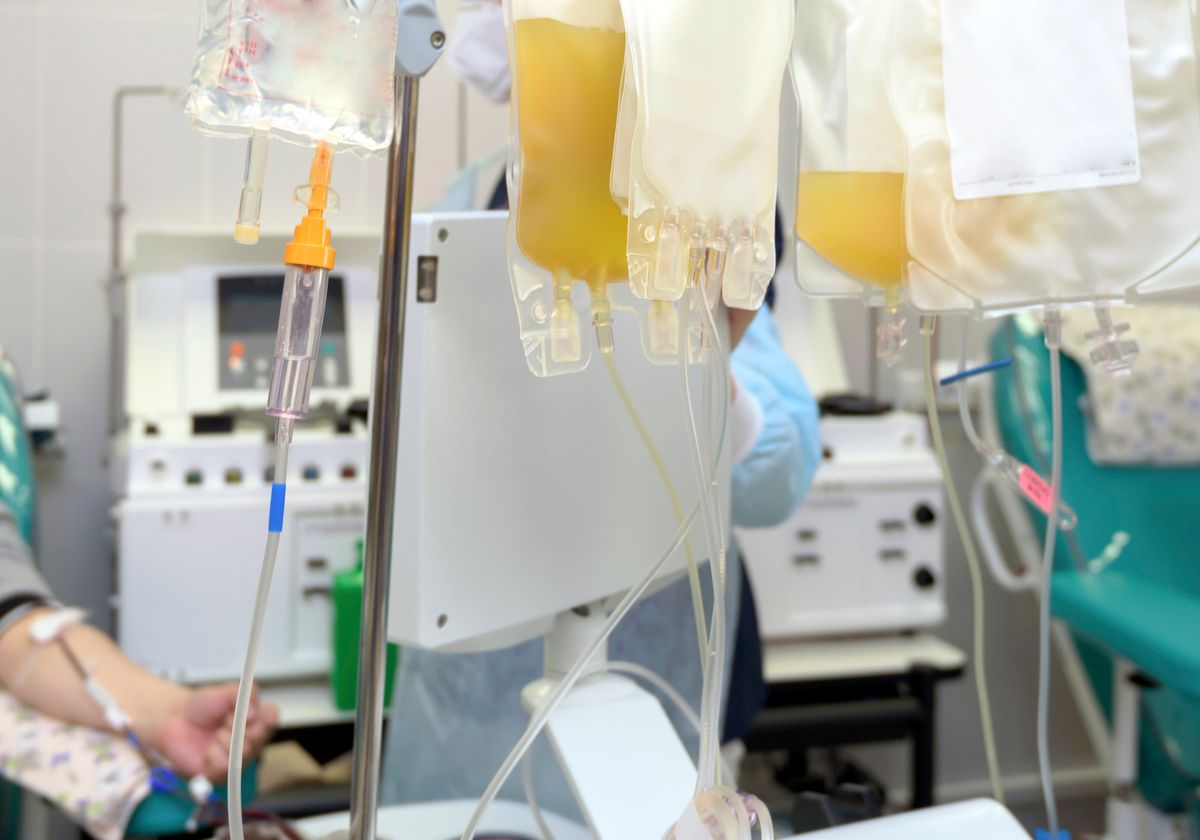
Blood is drawn through an IV in a controlled clinical setting under professional medical supervision.
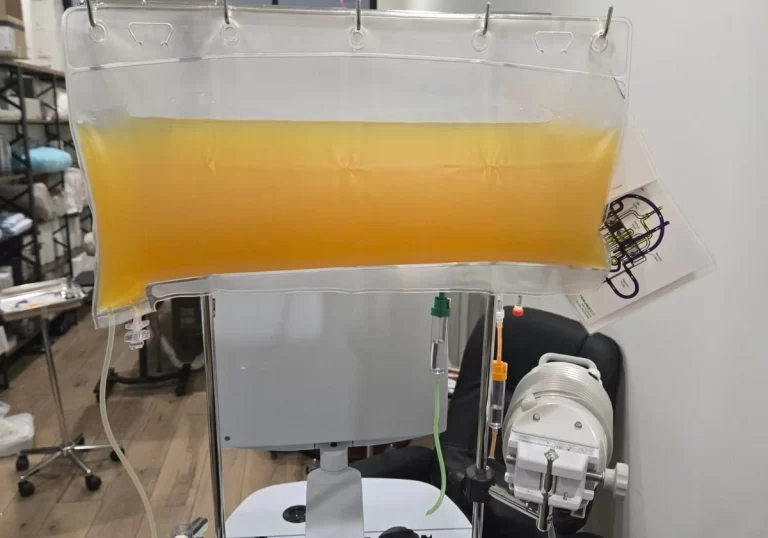
The plasma – where toxins like microplastics, mold toxins, and heavy metals circulate – is separated from the blood cells.
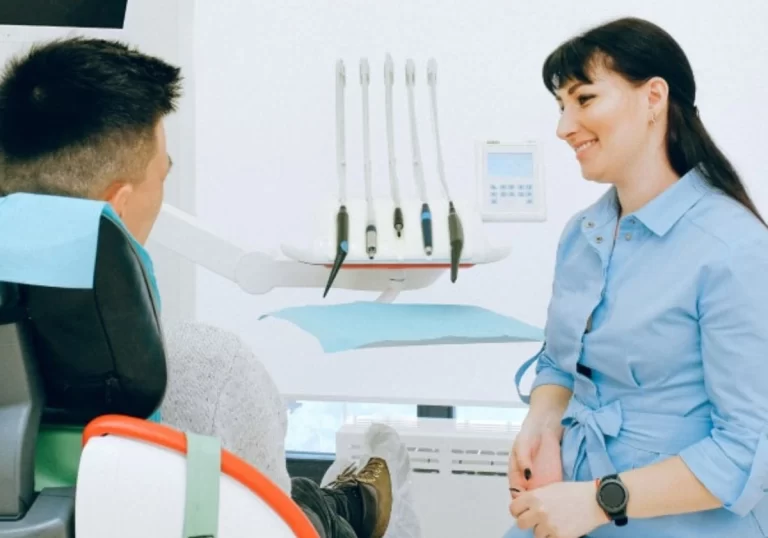
Blood cells are returned to the body with albumin replacement, supporting a cleaner cellular environment.
Duration: 2-4 Hours
Settings: Outpatient
Care: Medically Supervised
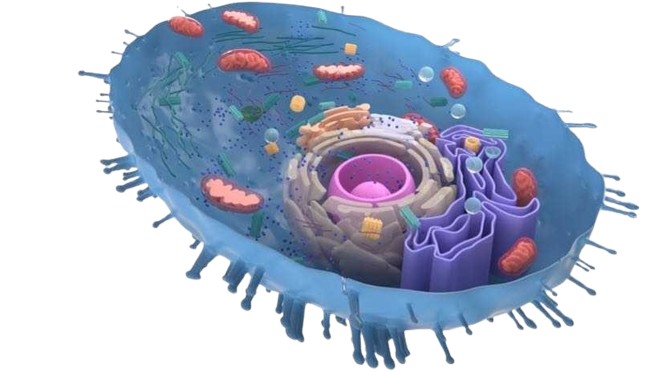
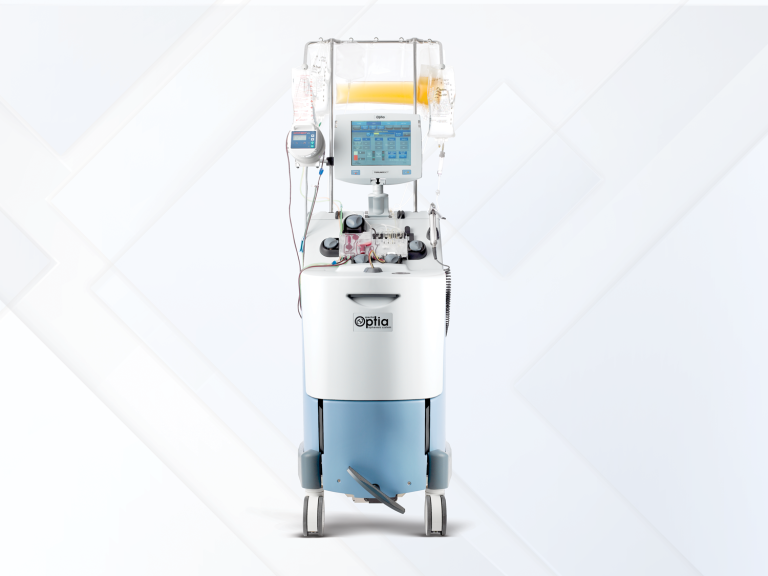
By reducing unwanted circulating toxins and inflammatory factors, TPE supports a healthier internal environment— helping your body recover, perform, and stay resilient.
Helps reduce circulating factors that can contribute to chronic low-grade inflammation.
Supports focus and clarity by improving the overall quality of the internal environment.
Many clients pursue TPE to support stamina, recovery, and day-to-day performance.
Supports immune balance by reducing plasma burden from unwanted circulating factors.
A cleaner blood environment can support healthy flow, delivery, and overall vitality.
Designed to target blood-level toxins like microplastics, mold toxins, and heavy metals.
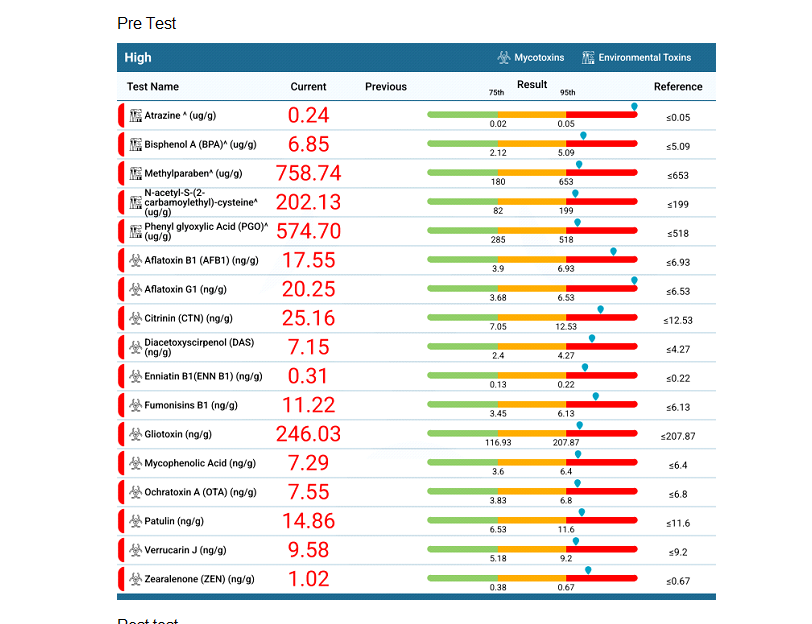
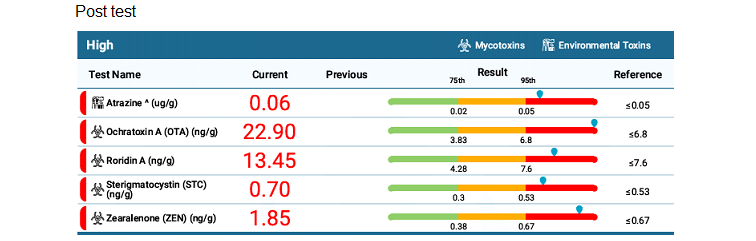
Plasma exchange (PE) has shown potential in treating certain cardiovascular (CV) conditions, although its use in this area is more experimental compared to its applications in other diseases like autoimmune disorders or neurodegenerative conditions.
In cardiovascular disease, plasma exchange may be considered in the following contexts:
Autoimmune-related heart conditions: Some heart conditions, like autoimmune myocarditis (inflammation of the heart muscle) or cardiac sarcoidosis, may benefit from plasma exchange. The procedure could help remove antibodies or inflammatory mediators in the blood that contribute to the disease process.
Hyperlipidemia and Atherosclerosis: Plasma exchange has been investigated for severe forms of hyperlipidemia (very high cholesterol levels), particularly in patients who don’t respond to standard lipid-lowering medications. By removing excess lipids, plasma exchange might theoretically reduce the plaque buildup in arteries (atherosclerosis), which contributes to heart disease.
Thrombotic microangiopathies (TMA): Conditions like Thrombotic Thrombocytopenic Purpura (TTP), which affect blood vessels and can lead to cardiovascular complications, may also be treated with plasma exchange. In TTP, the process helps remove abnormal antibodies and proteins that cause blood clotting and damage to blood vessels, potentially improving heart function.
Chronic kidney disease-related heart issues: Plasma exchange is sometimes used in cases of uremic cardiomyopathy, where kidney failure leads to cardiovascular issues. It can help remove toxins that accumulate in the bloodstream and contribute to heart failure.
While these uses are promising, PE is not a standard treatment for heart disease in general. Most research is still in experimental stages, and PE is usually reserved for more specific, severe cases or when other treatments have not been effective. Further studies are needed to fully assess its potential benefits in cardiovascular disease.
If microplastics, mold exposure, or heavy metals are on your mind, a focused consult can help you understand whether Therapeutic Plasma Exchange fits into your health and longevity plan-and what a personalized protocoll could look for you.
Regenerative Medicine & Pain Management
Inside Natural Heart Doctor • Scottsdale, AZ
No walk-ins • Limited availabilit